Women's Equality Day
by Judy Nicole Hays

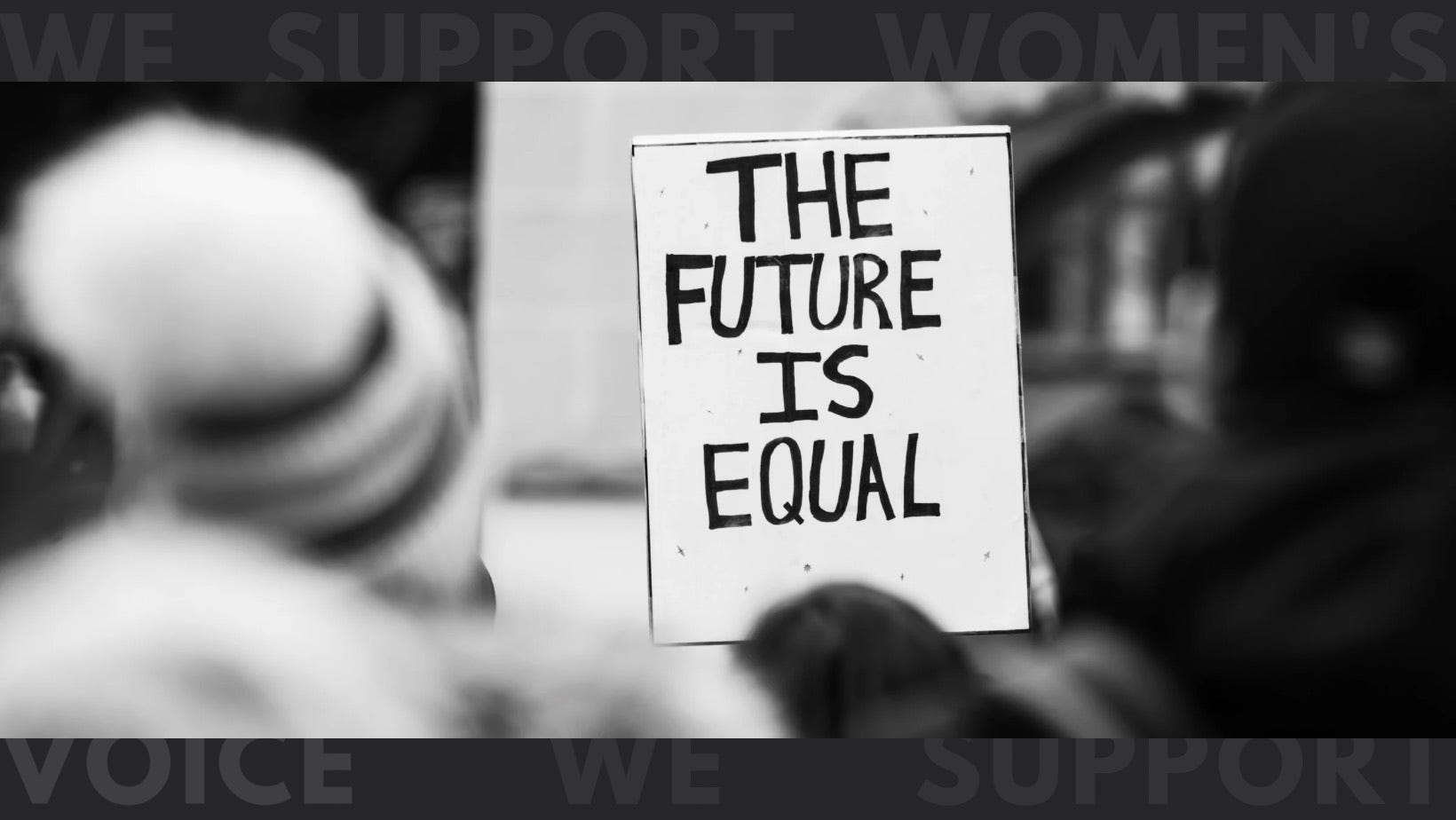
Every year on August 26, we mark Women’s Equality Day, a time to reflect on the progress made toward gender equality in the United States. The date honors the ratification of the Nineteenth Amendment in 1920, a landmark achievement that secured women the constitutional right to vote and became a cornerstone in the ongoing fight for equal rights.
History of Women’s Equality in the U.S.:
The struggle for women’s equality in America has deep roots, stretching back long before the Nineteenth Amendment was ratified.
Early Calls for Change (1800s):
In 1848, the Seneca Falls Convention in New York marked the formal beginning of the women’s rights movement in the U.S. Led by activists such as Elizabeth Cady Stanton and Lucretia Mott, the convention produced the Declaration of Sentiments, which boldly demanded equal social, civil, and political rights for women, including the right to vote.
The Suffrage Movement:
Over the following decades, suffragists like Susan B. Anthony, Sojourner Truth, and Ida B. Wells worked tirelessly, often facing ridicule, harassment, and imprisonment. The movement was not without flaws, especially in how it often sidelined women of color, but it built the foundation for a nationwide campaign for political equality.
The Nineteenth Amendment (1920):
After decades of organizing, marches, and civil disobedience, the suffragists achieved their goal when the Nineteenth Amendment was ratified on August 18, 1920, and certified on August 26. It granted women the right to vote, though many, particularly Black, Native, Asian, and Latina women, still faced systemic barriers such as Jim Crow laws and discriminatory immigration restrictions.
Expanding Equality (Mid-20th Century):
The women’s rights movement surged again during the 1960s and 1970s, fueled by the Civil Rights Movement and second-wave feminism. Landmark achievements included the passage of the Equal Pay Act (1963), Title IX (1972), which prohibited sex discrimination in education, and the Supreme Court’s recognition of reproductive rights in Roe v. Wade (1973).
Ongoing Struggles (Today):
While great strides have been made, challenges remain. The gender pay gap, barriers to healthcare access, unequal representation in leadership, and recent rollbacks on reproductive rights highlight that the work of women’s equality is far from finished.
While Women’s Equality Day is a celebration of past victories, it’s also a reminder that equality must be protected, expanded, and fought for continuously
Check out these websites for more information about the Women’s Equality Movement:
•https://www.cliohistory.org/click/library/timelines/politics-social/#c1629
•https://werehistory.org/womens-equality-day/
This day must be more than performance—it’s a call for relentless pushback against systems still profiting from our diminished agency. In “Certified Difficult Woman,” I interrogate what so-called “equality” means when societal structures still penalize us for having needs, opinions, or boundaries. What would you tell your younger self about not waiting for permission? These words could be the next feature in my “Dear Younger Me” series.